Contact us now and you'll hear back from us in less than 90 minutes, our promise!
One of America’s largest providers for Uniform Programs, Incentives, and Swag Stores since 1994!
Tiered incentive programs organize rewards into levels based on specific performance benchmarks. An employee who meets their quarterly sales target may receive branded drinkware, while someone who exceeds their annual goals may receive custom embroidered apparel or a spot in your recognition program.
The structure removes ambiguity—your team knows exactly what each achievement earns them, which keeps people focused on hitting the next milestone instead of wondering if their hard work will get noticed.
How Tiered Incentive Programs Work
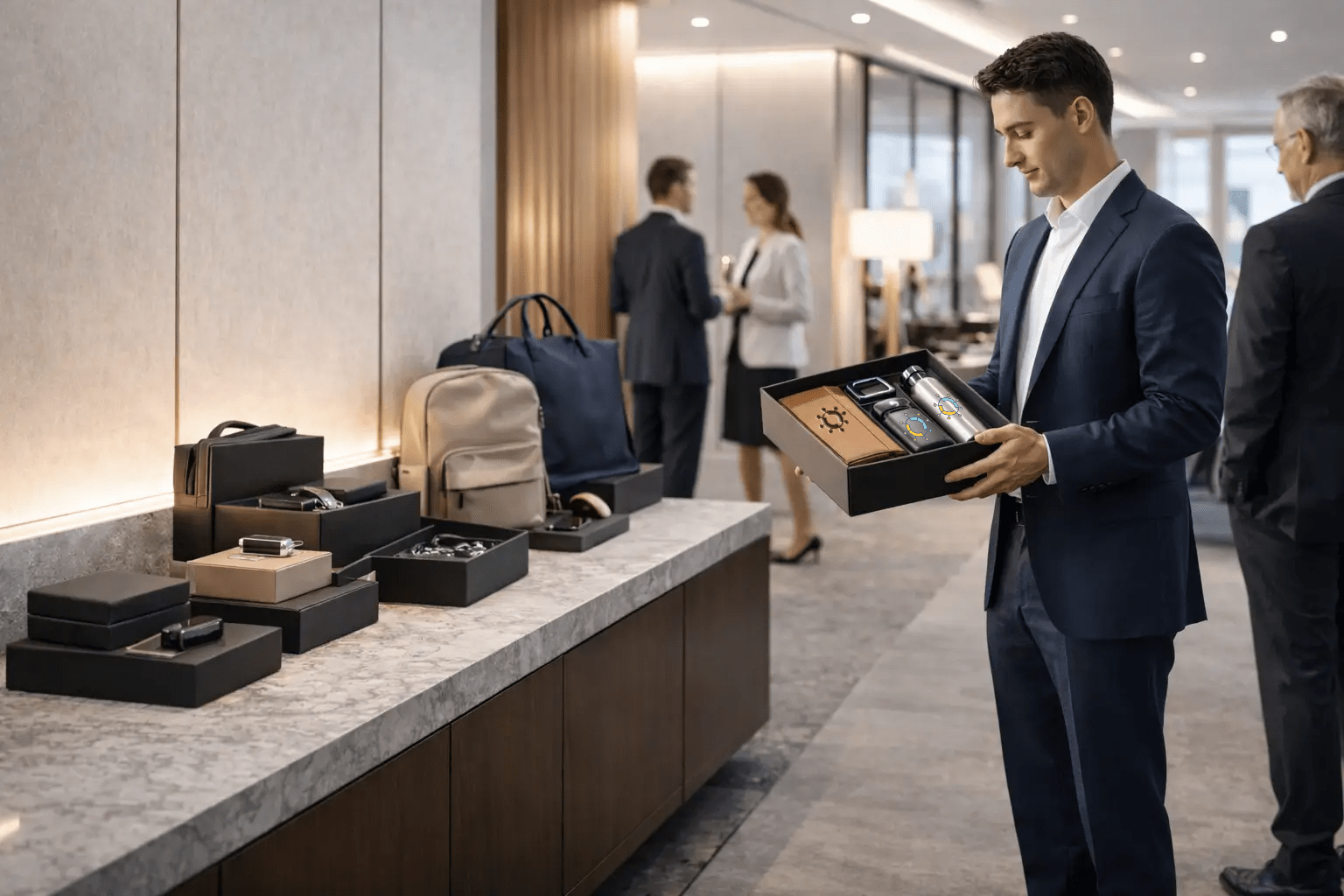
Tiered programs organize recognition into distinct levels based on employee performance milestones or achievement benchmarks. These systems scale recognition with achievement—a quarterly target might earn branded drinkware while exceptional annual performance gets custom embroidered apparel.
Employee reward systems work because they eliminate the guessing games associated with recognition. Your team sees exactly what hitting certain numbers gets them, which means they can plan their effort accordingly. Managers don’t have to scramble for appropriate rewards or worry about playing favorites—the system dictates what each achievement earns, so everyone gets treated the same way for the same results.
Traditional employee recognition programs run on the manager’s discretion—someone gets a gift card this month, someone else gets public praise next month, and no one knows why one person’s work earned more than another’s.
Tiered systems set fixed criteria upfront. Hit your quarterly sales target, and you get branded apparel. Exceed annual goals, and you earn a spot in the recognition program with custom swag. Everyone knows the rules, so everyone knows where they stand.
A corporate rewards program needs clear metrics and branded items that scale across each tier.
Effective rewards systems let you plan your recognition budget so you don’t have to guess what you’ll spend each quarter. You know exactly what each achievement level costs, which means finance can forecast expenses, and managers don’t have to justify every reward decision.
The structure also prevents the common problem where one department hands out premium items while another barely acknowledges the same level of performance—everyone follows the same tier system, so recognition stays consistent across your organization.
Designing Your Tiered Incentive Program Structure
Most tiered programs work with three to five levels—enough to show progression without making the top tier feel impossible to reach. Entry levels might include branded drinkware or custom T-shirts for hitting basic benchmarks. Mid-tiers could feature custom embroidered polos or branded swag packages for consistent performance.
Top tiers need to feel exclusive, like complete uniform program packages or premium custom kitting solutions that employees can’t get at lower levels. The gap between tiers needs to be obvious enough that reaching the next level feels like a real upgrade, not just a slight variation of what someone already earned.
Order custom business promotional products in bulk so you can distribute rewards as people earn them.

Vague criteria like “going above and beyond” mean different things to different managers, which defeats the purpose of having tiers. Set specific numbers instead. Sales teams might earn tier one rewards at $50K quarterly revenue, tier two at $75K, and tier three at $100K.
Operations could tie tiers to safety records—90 days without incidents gets branded drinkware, six months gets custom embroidered polos, and a full year gets them into your annual recognition program. The actual numbers matter less than making sure everyone can look at their performance and know exactly which tier they’ve hit.
Each tier needs rewards that separate themselves from the others, so employees can see clear progression as they move up. The gap between what someone gets at tier one versus tier three needs to be obvious enough that people want to climb the ladder:
Entry Level
Mid Tier
Top Tier
Complete uniform program packages or custom kitting solutions with multiple branded items packaged together that stand out as exclusive rewards.
Storing and Distributing Rewards
Once you’ve picked rewards for each tier, you need somewhere to keep them and a way to get them to employees when they hit their benchmarks. Warehousing your branded swag means you’re not scrambling to place rush orders every time someone earns recognition. You can order embroidered polos or custom swag in bulk, store them until needed, and ship them out as people reach each tier.
This also lets you personalize items with employee names or specific achievements before distribution, which makes the recognition feel more intentional than handing someone a generic branded item off the shelf.
Best Practices for Successful Implementation and Management
Even the best-designed employee reward systems fail without proper rollout and ongoing management. Your approach to implementation sets the tone for how your team perceives and engages with the program.
Launch with clear communication that explains not just the mechanics of the program, but the reasoning behind it. Help your team understand that this system exists to recognize their contributions fairly and consistently. Address questions proactively and gather feedback during the early stages.
Keeping the Program Visible
Post tier achievements when they happen. If someone in sales hits their quarterly target and earns custom embroidered polos, mention it in your company-wide update with what they did to get there. This shows the program actually runs and reminds everyone else what the benchmarks are.
Keep a simple reference sheet posted where people work—tier requirements, what each tier earns, and when rewards get distributed. The more employees have to hunt for program details, the less they’ll pay attention to hitting the benchmarks.
Setting Realistic Tier Benchmarks
Your entry tier should be reachable for most employees who perform consistently—aim for about half your team hitting tier one with solid work. The higher tiers can be tougher to reach, but that first level needs to feel achievable, or people won’t bother trying.
Make sure the rewards between tiers feel distinct. Going from custom T-shirts to embroidered polos to complete uniform packages shows a clear progression.
Each tier should feel like a meaningful step up from the last one. Check your tier benchmarks every year or so—if your business grows or your team’s baseline performance shifts, the numbers that made sense when you launched might need adjustment to stay relevant.
Tracking What Your Team Uses
Pay attention to which employee rewards people pick when you offer options within a tier, or which items sit in your warehouse while others run out quickly. If employees consistently choose embroidered polos over branded jackets, that tells you what they value.
If your top-tier custom swag packages aren’t moving but people keep earning mid-tier drinkware sets, your highest rewards might not feel worth the extra effort. Adjust your product selection based on what gets used and worn, not what you think should be motivating.
Building Recognition Programs With Kevins Worldwide®
Kevins Worldwide sources branded swag and custom apparel from our vendor network, then decorates everything with your logo through our in-house embroidery and screen printing. As a Top 100 distributor with over 30 years in business, we’re large enough to get you competitive pricing and access to thousands of products, but small enough that you work directly with a dedicated account executive who learns your program structure.
We handle the research, vendor comparisons, warehousing, and fulfillment so you don’t spend time coordinating multiple suppliers or tracking down products when employees hit their benchmarks. Team up with us to get your employee reward system running.
Ready to start your program?
Frequently Asked Questions
How does an employee reward system improve retention?
What should companies include in tiered reward programs?
Why do tiered structures work better than one-time bonuses?
Tiered structures work better than one-time bonuses because they create ongoing motivation through visible progress rather than a single payout that gets spent and forgotten. Employees who earn custom embroidered apparel or branded items at each tier have physical reminders of their achievements that they use daily.
When should businesses adjust their reward program tiers?
Want more insights?
NEXT UP
CASE STUDY
How We Cut Uniform Costs for a 1,200 Person Team