Custom Work Uniforms: How to Standardize Employee Apparel Without Killing Creativity

Successful uniform programs give teams clothing they’re happy to put on each morning. Start with non-negotiables like logo placement, brand colors, and quality standards, then build flexibility around those anchors. When people choose between polo styles or sleeve lengths instead of receiving identical shirts, they wear their uniforms more consistently and treat them better.
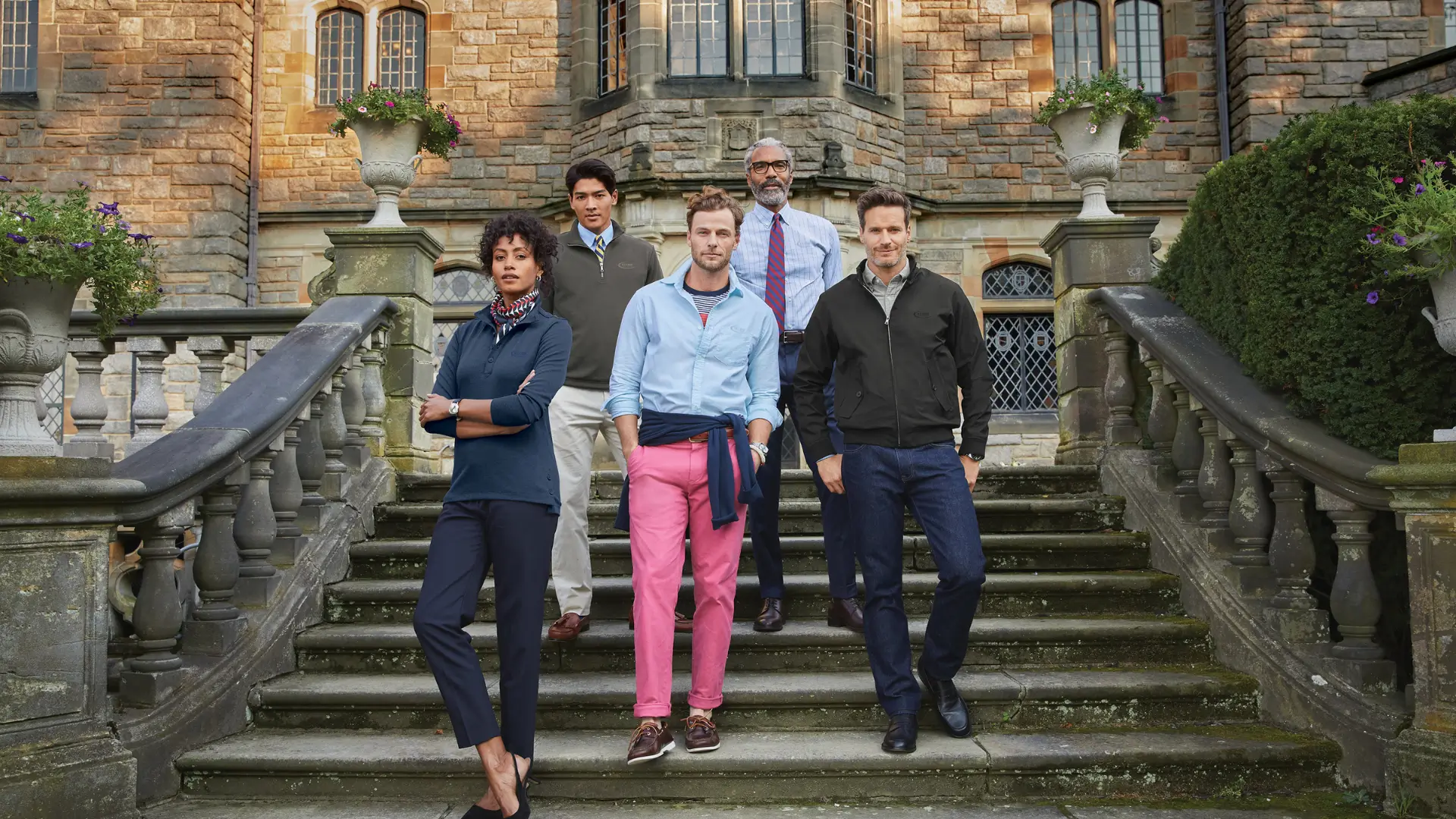
custom work uniforms
Why Uniform Programs Succeed When Your Team Buys In

Uniform programs work when they address what employees need to do their jobs comfortably and safely. A uniform program management partner builds systems around different roles and work environments while keeping your brand standards consistent.

Balancing Brand Consistency with Employee Expression

Uniform programs need firm boundaries and flexible options to work for everyone. Here’s how to structure both:

Non-Negotiables:

Lock down logo placement, core brand colors like navy or forest green, and quality baselines that apply to every piece ordered.

Flexible Options:

Offer long sleeve versus short sleeve polos, different fits for various body types, and approved color pairings like true navy with light blue or grey concrete.

Fit Over Fashion:

People wear what fits their job requirements and body type, not what looks appealing on a product page.

Managing Uniform Budgets Without Sacrificing Quality

Invest in safety-required items first: high visibility gear for job sites, flame-resistant apparel for industrial work, or reinforced pieces for heavy-use roles. Standard work polos and golf shirts provide a professional appearance without stretched budgets, while specialty items get allocated to the teams who need them. Warehouse staff might order 50 pieces while your sales team needs 8—your program should handle both without forcing artificial minimums on smaller departments.

Building Employee Buy-In Through Inclusive Design

Surprise uniform mandates kill programs before they start. Talk to your team before placing orders— warehouse workers care about durability and pocket placement, office staff prioritize professional appearance, and field technicians need weather protection and mobility. Test options with a small group first. Learning that those custom jackets don’t breathe well in your facility’s heat or that the polo fit runs small saves you from outfitting 200 people with unwearable gear.

What Makes Uniform Design Work for Everyone

Your uniform design needs to look cohesive from across a trade show floor while functioning for the person wearing it eight hours a day. The details you choose in colors, fabrics, and features determine whether your program succeeds or collects dust in lockers.

Color Schemes and Branding Guidelines

Pick two to three core colors that tie to your brand and build from there. True royal, deep red, or forest green create recognition while leaving room for role-specific needs like high visibility yellow for job site safety or grey concrete for teams who get dirty. Documenting exact color names and providing product swatch types prevents ordering chaos when different people interpret “navy” as three different shades.

Fabric Selection and Comfort Considerations

Match fabrics to work environments, or your program fails from day one. Moisture-wicking golf shirts handle physical labor and outdoor heat, while flame-resistant materials protect industrial teams from hazards. Stretch fabrics in work pants give technicians and field staff the mobility they need for kneeling, climbing, and reaching without splitting seams or restricting movement.

Built for the Job, Not Just the Look

Utility pockets hold tools without weighing down belts, reinforced knees survive daily kneeling, and longer uniform shirt tails stay tucked through a full shift. Work headwear protects outdoor teams from the sun and weather while displaying your logo. Temperature-shifting environments need layering options like custom jackets, while job sites require high visibility striping or Dri-Duck weather protection built into the base program.

Kevins Worldwide® Builds Uniform Programs Around Your Team

We handle sourcing, decoration, warehousing, and fulfillment for businesses managing work uniforms across different departments and sites. With over 30 years of experience distributing branded apparel, we design programs that keep your look consistent while providing employees with real options for their roles. Partner with us to create custom work uniforms that meet your team’s needs.

Ready to start your program?

Consult with our apparel experts today.

Frequently Asked Questions

Why should my business invest in custom work uniforms?
Custom work uniforms create immediate brand recognition while building customer trust through consistent professional presentation. Standardized employee apparel also simplifies daily decisions for your team, supports workplace safety requirements, and strengthens company culture through shared identity.

Establishing core brand elements like logo placement and approved colors provides the foundation for your uniform program. Offering choices within those guidelines—different garment styles, sleeve lengths, or color combinations—gives employees personal expression while maintaining professional consistency.

Embroidery provides durability and professional appearance for polo shirts, jackets, and headwear, while screen printing offers cost-effective decoration for larger orders and simpler designs. Heat transfer works well for complex graphics, full-color logos, or specialty applications on performance fabrics and flame-resistant workwear.

Want more insights?

Join 5,000+ HR and Operations leaders who receive our monthly guide to employee engagement and branded programs.

NEXT UP

Branded Swag Fulfillment: The Complete Guide

CASE STUDY

How We Cut Uniform Costs for a 1,200 Person Team

Thank you for reading the Kevins Worldwide® blog.